


Bullfrogs: From Tadpole to Full-Grown Giants

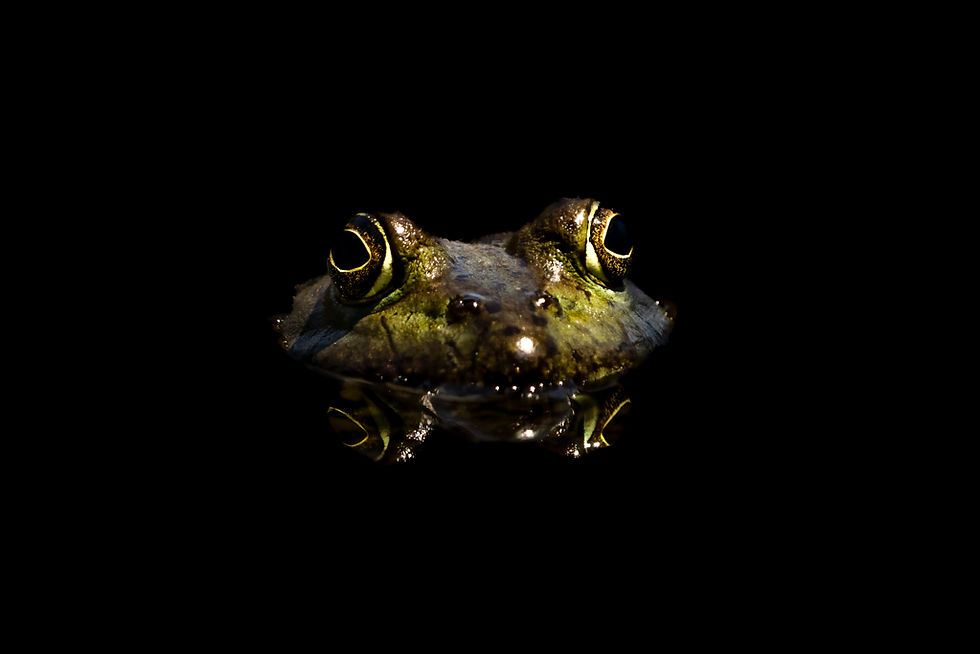
The bullfrog is one of the most iconic amphibians in North America. Known for its deep, booming call that echoes across ponds and wetlands, the bullfrog has an equally fascinating life cycle. From a tiny egg to a large, powerful adult, each stage of development tells a story of adaptation and survival.
The Beginning: Eggs in the Water
A bullfrog’s journey starts in the still waters of lakes, ponds, and slow-moving streams. In spring and early summer, females can lay up to 20,000 eggs at once, forming floating clusters that provide safety in numbers. Within just a few days, these eggs hatch into small, free-swimming tadpoles.

Tadpole Stage: Life Below the Surface
The tadpole phase of a bullfrog is unusually long compared to other frogs, lasting from one to three years depending on climate and habitat. Tadpoles spend their days grazing on algae and plant material, growing stronger and larger with each passing season. Unlike adult bullfrogs, tadpoles are completely aquatic and breathe through gills. Their broad tails provide swift swimming power to escape predators like fish, herons, and even other bullfrogs.

Transformation: Metamorphosis
When the time is right, the tadpole undergoes a remarkable transformation. Hind legs sprout first, followed by front legs. The tail gradually shrinks as the lungs develop, preparing the young frog for life on land and in water. During this stage, their diet shifts from mostly plant matter to a more carnivorous menu, including insects and small invertebrates.
Habitat and Range
Bullfrogs thrive in freshwater habitats such as lakes, ponds, marshes, rivers, and wetlands with plenty of vegetation for cover. They prefer warm, still waters where food is abundant and basking spots are plentiful. Originally native to eastern North America, bullfrogs have since been introduced to many regions across the western United States, parts of Canada, Mexico, South America, Europe, and even Asia. In many of these non-native areas, they have become invasive, competing with and preying on local species.
Adult Bullfrogs: The Pond’s Powerhouses
Once fully developed, bullfrogs become one of the largest frogs in North America, with adults reaching up to eight inches long and weighing over a pound. Their powerful legs allow them to leap impressive distances, while their wide mouths and quick reflexes make them excellent hunters. Bullfrogs are opportunistic eaters, feeding on insects, fish, snakes, small birds, and even other frogs.

Voices of Summer Nights
One of the bullfrog’s most recognizable traits is its deep, resonant call, often described as sounding like a “jug-o-rum.” These calls echo across ponds in late spring and summer as males compete for territory and attract mates. It’s a sound that, for many, defines warm summer evenings near the water.
The Cycle Continues
The life of a bullfrog is a powerful reminder of nature’s adaptability. From vulnerable eggs to dominant predators of the pond, bullfrogs showcase resilience at every stage of life. Their long journey from tadpole to adult not only highlights the wonders of amphibian biology but also the delicate balance of wetland ecosystems that support them.
Did you Know?
A bullfrog’s stomach is so adaptable that if it eats something too big to swallow, it can actually push its entire stomach out of its mouth, clean it off with its front legs, and then pull it back in!
The photographs contained in this website may not be reproduced without the express consent of Shutter Bison.


Comments